
In the modern world pollution has emerged as a global problem of serious magnitude. Tens of millions are exposed daily to polluted air, unwanted noise, unhealthy indoor environments and dirty water–all hazards that cause many problems for pregnant women as well as their children. Although people of all ages are affected by pollution, students have the most to lose.
This is particularly evident in Delhi, India where the pollution levels soar throughout the year—thickening dangerously owing to smog, vehicle emissions, stubble burning and industrial operations-winter months are a mix of hazardous air. Delhi schools often witness poor air quality days when examinations are underway, causing physical and mental strain to students.
The success of the students in examinations has very much to do with a good level of concentration, memory and emotional stability. But more and more research indicates that exposure to pollution undermines these abilities. Learning how students are affected by pollution is key to our success.
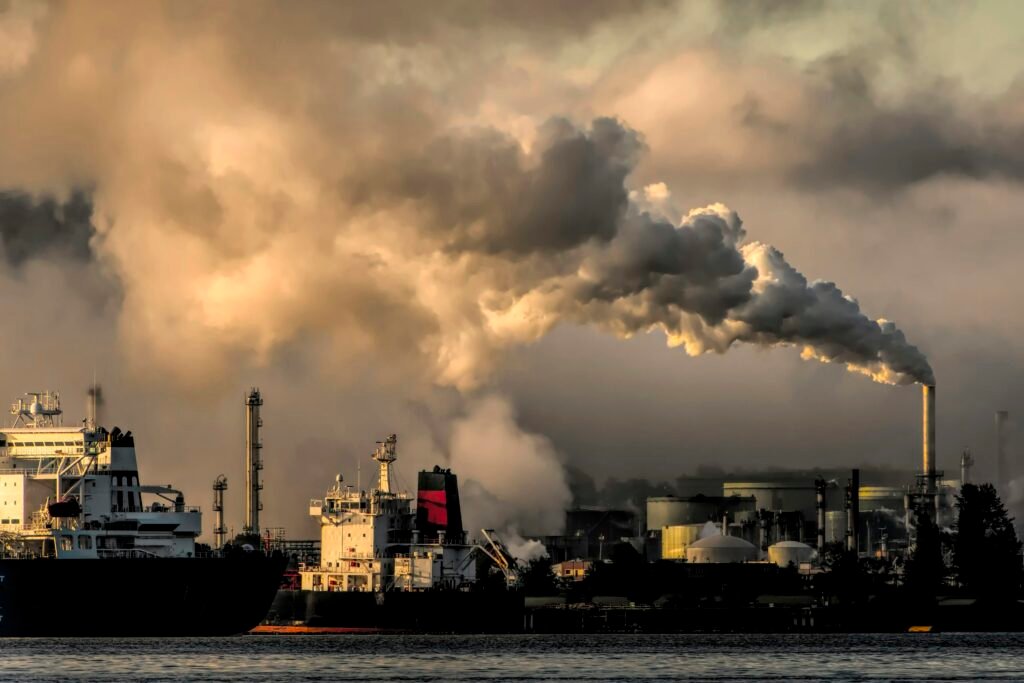
Types of Pollution Affecting Students
1. Air Pollution
Atmosphere pollution is considered to be one of the destructive environmental pollutants. Smog, vehicle and industrial exhaust fumes, and chemical pollutants mix freely with the air that students breathe each day. Prolonged exposure to these pollutants can cause breathing problems, headaches, tiredness and lower lung function.
The air quality in Delhi frequently crosses into the “severe” category, and schools are closed or have recess shortened because of conditions outside. Such students are known to breathe in concentrated particles of particulate matter that can suppress the immune system and result in chronic tiredness.
Even more significant is the fact that dirty air restricts the brain’s supply of oxygen, which directly impacts neurological function. Be focused: Students who are living in highly polluted areas tend to forget things because of pollution that directly affects their ability, such as concentration or ability for doing hard work and studying for the examination.
2. Noise Pollution
Environmental Noise is further another factor which destroys student’s learning capacity. The unrelenting noise of traffic, construction, and airplanes interrupts my focus.
“Students and their parents are disturbed by the noise which makes it difficult for them to concentrate on readings, learning anything in silence or memorising lessons,” he said, adding: “The pollution has made them dumb.”
Noise disrupts sleep, not allowing the brain to rest and recharge. When students don’t get enough sleep, they think more slowly, have trouble recalling information and have low motivation. These directly interfere with achievement, and also exam/prep stage readiness.
3. Indoor Pollution
People think staying indoors keeps students safe, but honestly, that’s not true at all. Classrooms and study rooms can be full of hidden pollutants — dust everywhere, mold in corners, barely any fresh air, strong chemical smell from cleaning sprays, and even the sharp ink smell from markers. All of that just hangs in the same air kids breathe for hours.
“In Delhi, parents close all the windows to stop outside pollution, but we don’t realise we are trapping the bad air inside the house,” a mother said. “Kids sit and study, but the air around them is literally dirty. We don’t see it, so we ignore it.”
Because of this indoor pollution, students start feeling weird — tired for no reason, dizzy, eyes burning, easily irritated. And then adults say, “Why can’t you focus?” It’s not their fault. Their mind just stops cooperating. They try to concentrate but it slips away. They study, but half of it doesn’t stay.
The worst part is that nobody connects it to air. Everyone blames the child — lazy, not studying properly — when actually the air itself is messing with their health and brain. How can they perform well in exams when breathing itself is a struggle?
Impact on Health and Cognitive Function
Physical Health Effects
It’s kind of wild how much pollution messes with our health, and half the time we don’t even notice it happening until everything hits at once. Students who spend most of their day in polluted areas — whether that’s their neighborhood or even their school — start dealing with this grab-bag of symptoms that don’t feel connected at first. It’s not just one symptom either. One kid is suddenly dealing with asthma or bronchitis, and another keeps complaining that their chest feels tight but nobody can figure out why — not even the doctors. Then there are the migraines that won’t quit, the kind of tired that sleep doesn’t fix, and that gross burning sensation in your eyes and throat that shows up randomly and refuses to leave..
In places like Delhi, hospitals pretty much expect a rush of young people having trouble breathing when the air turns into smog soup for a few months. And honestly, if a student feels like that, there’s no way they’re going to sit through class and focus, never mind learn anything heavy when exams are around the corner. (And yeah, there will always be that one person recommending herbal tea as a cure for literally everything. Pollution included. Sure.)
Cognitive Function
Pollution doesn’t just affect the body — it messes with the brain too. Studies from different parts of the world have shown something worrying: students who spend long hours in polluted environments don’t think as sharply as they normally would. Teachers notice shorter attention spans, memory slipping during lessons, and even slower learning overall. Problem-solving gets harder, like the brain is constantly running through fog.
And that becomes a real issue during exams. It doesn’t matter how much a student prepared — if their brain is exhausted from polluted air, it’s harder to focus, harder to remember, and harder to think clearly under pressure.
Sleep Disruption
Pollution messes with sleep way more than most people realize. It’s not just the random traffic noise at night — some students get jerked awake by loud sounds, and others spend half the night tossing around because the air feels thick and hard to breathe. After a few nights like that, it really begins to take a toll. You haul yourself out of bed feeling fuzzy-headed, everything seems dull and pointless, and even the smallest annoyances suddenly feel enormous. Your whole brain just feels slow, like you’re trying to think through mud.
And because sleep is such a big part of how memory and learning work, the outcome is pretty obvious: when pollution keeps a student from sleeping properly, their exam performance is basically set up to suffer.
Psychological Effects on Students
Stress and Anxiety
Pollution doesn’t just meddle with the body—it worms its way into the mind too, in a rather unsettling manner. Breathing in polluted air seems to push stress hormones into overdrive, and constant noise keeps the brain stuck in a sort of permanent “fight-or-flight lite,” as though danger is just around the corner even when it’s not. Naturally, students end up feeling anxious, irritable, and mentally swamped by even ordinary tasks. It’s not just theory—many parents in Delhi say their children become noticeably moodier or unusually tense during the thick, smog-heavy months, especially when exams are looming like some academic storm cloud.
(Completely unrelated side note: I once heard someone claim that listening to classical music fixes pollution-related stress, which sounds charming but scientifically suspicious. Still, Mozart never hurt anyone.)
Long-Term Mental and Academic Effects
Continuous exposure to pollution can lead to chronic health issues, emotional instability, and long-term learning challenges. Students may:
- Miss school due to sickness
- Lose interest in academic work
- Struggle to maintain consistent performance
Over time, pollution can prevent students from reaching their full academic potential.
Real World Situations and Case Studies
A lot of research shows that pollution can negatively affect how well students do in school.
- In Los Angeles, schools in heavily polluted areas reported significantly lower test scores compared to schools in cleaner regions Read more.
- Research in London showed that children attending schools near busy traffic roads developed reading and understanding skills more slowly Read more.
- In Delhi, several schools have reported increased absenteeism and difficulty maintaining attention in class during smog season. Many institutions have shifted to online learning temporarily due to unsafe air quality Read more.
- A nationwide study in China found that exam scores dropped substantially on days when air pollution levels were high Read more.
Governments and schools in different countries are starting to take action to fix these problems:
- In South Korea, many classrooms now have air purifiers.
- In some parts of the United States, schools have put up noise barriers and moved playgrounds farther away from highways.
- Scandinavian countries design educational buildings with advanced ventilation and quiet zones to protect students’ cognitive health.
- In Delhi, the government periodically orders school closures during severe smog alerts and has promoted anti-pollution campaigns, though long-term measures remain in progress.
They show that when schools take specific steps, students become healthier and perform better academically.
Practical Solutions and Tips for Students
While cleaning up pollution requires a collective societal effort, students may be able to make real headway in decreasing their own exposure and protecting themselves.
Improving Indoor Air
- Consider air purifiers or air-filtering plants for study areas.
- Open windows to let in fresh air as long as weather permits.
- Do not study near strong odors like chemicals or cleaning product.
Reducing Noise
- Choose to study at relaxing places like libraries or study rooms.
- Try noise-cancelling headphones or gentle background music to drown out distractions.
- If you can, try to study during naturally quieter periods of the day..
Personal Well-Being
- Wear masks on days with heavy air pollution, particularly in cities like Delhi.
- Break while you study – doing this will lower the strain on your mind.
- Use relaxation techniques, such as muscle relaxation, breathing exercises or even a brief period of exercise.
These strategies can help maintain concentration, protect mental health, and improve academic outcomes despite environmental challenges.
Conclusion
Pollution doesn’t just endanger nature — it’s also hazardous to students’ health and learning. Every time we breathe polluted air, the brain works harder than it would otherwise have to — and during peak levels hours find it difficult to work well at all; loud noise disrupts concentration and sleep dirty indoor air weakens motivation and alertness. Add up those problems: Students score lower on exams and their long-term learning is slowed.
To address this, we must raise awareness and protect students from pollution. The responsibility for making learning environments safer and cleaner belongs to families, schools and governments alike. Supporting students — particularly those in severely polluted cities like Delhi, India — is crucial not just for better grades but also the long-term health of their bodies and minds.
